IPL 2026 schedule, standings and squad rules
The 2026 season is structured around 74 league matches across 13 venues. The campaign desk tracks standings, NRR movement, and the impact of cross-conference fixtures on the playoff cut-off.
A 100-ball format, weekday 6:30 pm starts, and a set of franchise names lifted from the IPL. Hindustan Times cricket writer Amrit Mathur finds the gap between the Hundred's ambition and the Indian league's gravity wider than the marketing has admitted, with the franchise nameplate doing the most honest talking.
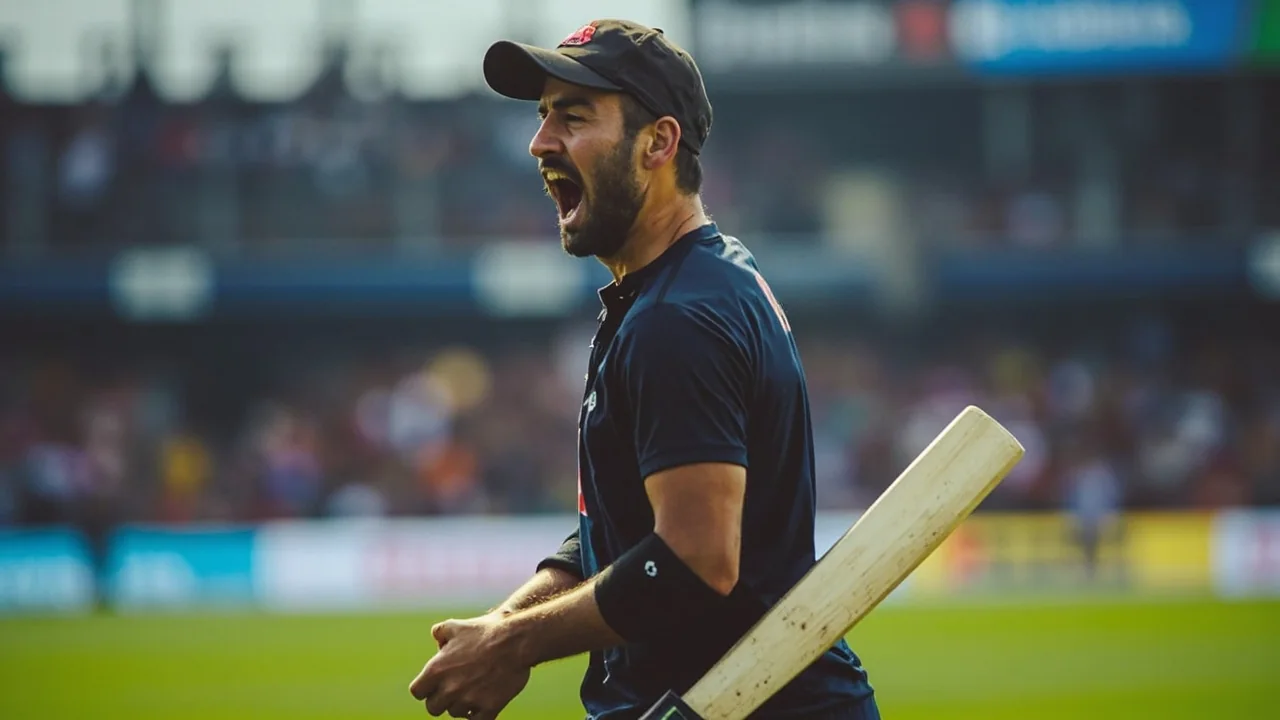
Amrit Mathur's piece in the Hindustan Times on 25 July 2026 reads the Hundred as a tournament that has borrowed the Indian league's outer skin without inheriting the commercial engine underneath. The teams, the kits and the owners are recognisable from across the IPL fixture list. The production values, the sponsor pull and the crowd noise are not. The argument is not that the cricket is bad; it is that the theatre around the cricket is on a quieter register than the launch marketing promised.
That matters to an IPL reader because the Hundred is, in 2026, the most-funded attempt to build a direct answer to the format that the BCCI's flagship has spent almost two decades turning into the world's most valuable cricket property. If the Hundred is the league that built a working IPL lookalike, the gap between the two is the clearest available measure of how hard the IPL is to copy.
The Hundred's headline tweak is the 100-ball innings. Each side faces 100 deliveries, with bowlers working in blocks of five or ten balls that they have to keep track of themselves. There is no over, no six-ball reset, no traditional powerplay or death phase. The match is positioned to finish inside three hours on a weekday 6:30 pm start, a slot the league has framed as appointment viewing for both the ground and the broadcast cut.
How much of that format actually changes the viewing experience is the open question. England's own domestic Twenty20 tournament, the Vitality Blast, runs alongside the Hundred, uses most of the same county grounds, and finishes well inside the same three-hour window. The Hindustan Times piece describes the Hundred as, in effect, a slightly refurbished Vitality Blast with a deeper overseas-player pool - a tier above the domestic T20 ladder most English counties already play in, with the foreign signings layered on top. The cricket is familiar; the structural change is smaller than the marketing.
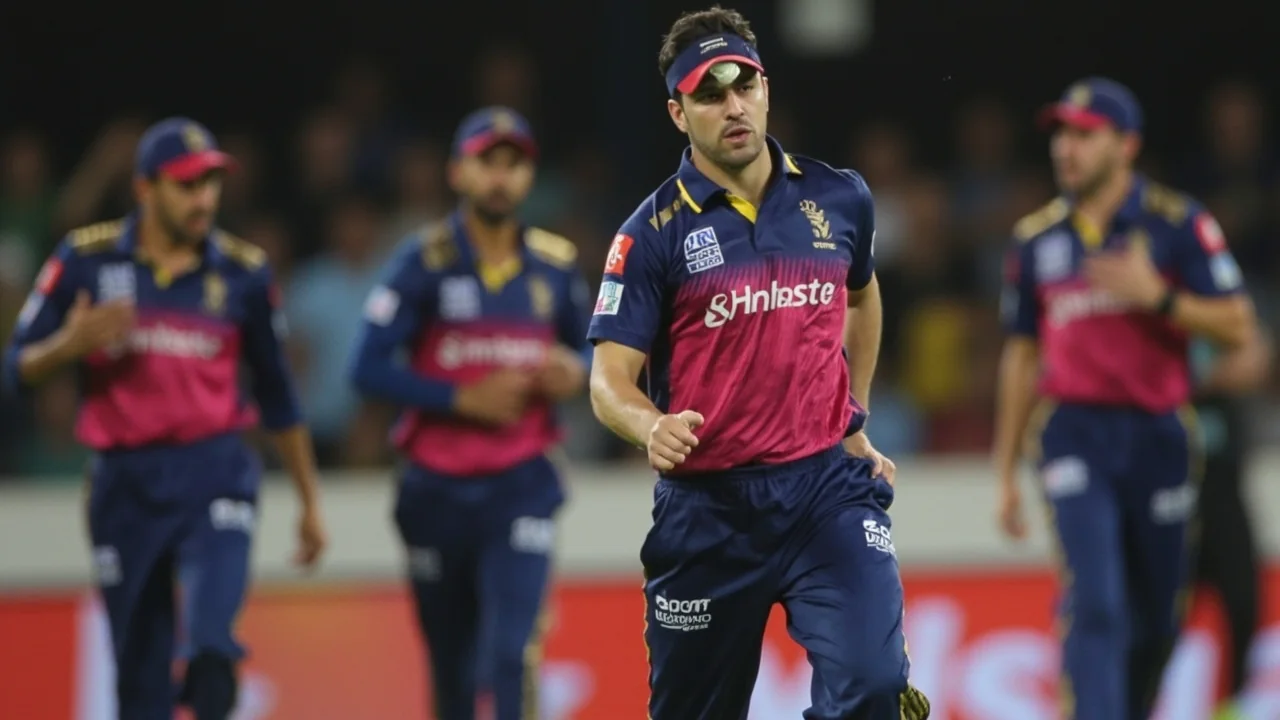
The cheapest way to look like the IPL is to look like the IPL. Three of the eight Hundred franchise names are direct extensions of existing Indian league brands: MI Oval (Mumbai Indians), Sunrisers Leeds (Sunrisers Hyderabad), and Manchester Super Giants (Lucknow Super Giants). The remaining five lean on English county-ground names, but the colour palettes, the chevron placements and the shoulder treatments on the jerseys are visibly lifted from a kit room a long flight east.
Mathur's reading is sharp on the ownership side. Most of the franchise owners, he writes, are themselves Indian. The result is a tournament whose commercial DNA is effectively a foreign outpost of the same investor groups that already run the IPL, dressing English grounds in the visual language of Wankhede and Uppal. Anyone who watches back-to-back fixtures from both leagues will catch the overlap inside the first over; the team colours alone do most of the work.
Sponsor pull is the cleanest measure of the gap. The Hundred's commercial momentum, by the Hindustan Times account, runs well below the IPL's ability to refresh marquee deals on a multi-year cycle. Title-sponsor conversations in the UK market have not produced the same kind of headline number that the Indian league has been able to cycle through. Stump-side advertising is restrained. Boundary rope inventory is sold, but not at the multiples IPL broadcasters have been bidding for years.
Part of that gap is structural. The UK cricket market is smaller than the Indian broadcast market, and the Hundred runs on a weekday evening slot that limits family footfall. The more interesting question is whether the ECB's investment thesis - that the format would carry its own commercial gravity in a crowded calendar - has held up. The Hindustan Times piece suggests not, at least not in the way the launch marketing promised.
The matchday atmosphere is where the comparison bites hardest. At Lord's, the Hindustan Times reports, on-site prices for the standard refreshments sit at £8 for a Peroni pint and £12 for a traditional English sausage roll. Those numbers are not unusual for a premium English sporting venue in 2026, but they set the social tone. The crowd is drawn to the food and drink offering rather than to an in-stadium entertainment programme, and the elaborate dressing that an Indian T20 night takes for granted - the music cues, the cheerleader set, the bhangra beats and dhols - is mostly absent.
The acoustic profile between deliveries is the giveaway. Crowd reactions at the Hundred's flagship venues, the piece argues, run closer to polite applause than to the loud, celebratory chants that accompany an IPL boundary. Theatrical elements that the Indian league has spent two decades normalising - anthem builds, sponsor-call stings, mid-over graphics - have not been imported wholesale. Some appear in skeleton form; others are absent entirely.
It is fair to note that the Hundred is not trying to be the IPL. The ECB's stated goal is a family-friendly, television-ready format with a tight three-hour run time, and on that narrow brief the product is competent. The matchplay itself has produced watchable cricket. But the surrounding atmosphere - the part of the IPL that travels worst in broadcast form and best in person - is exactly where the Hundred has chosen not to compete.
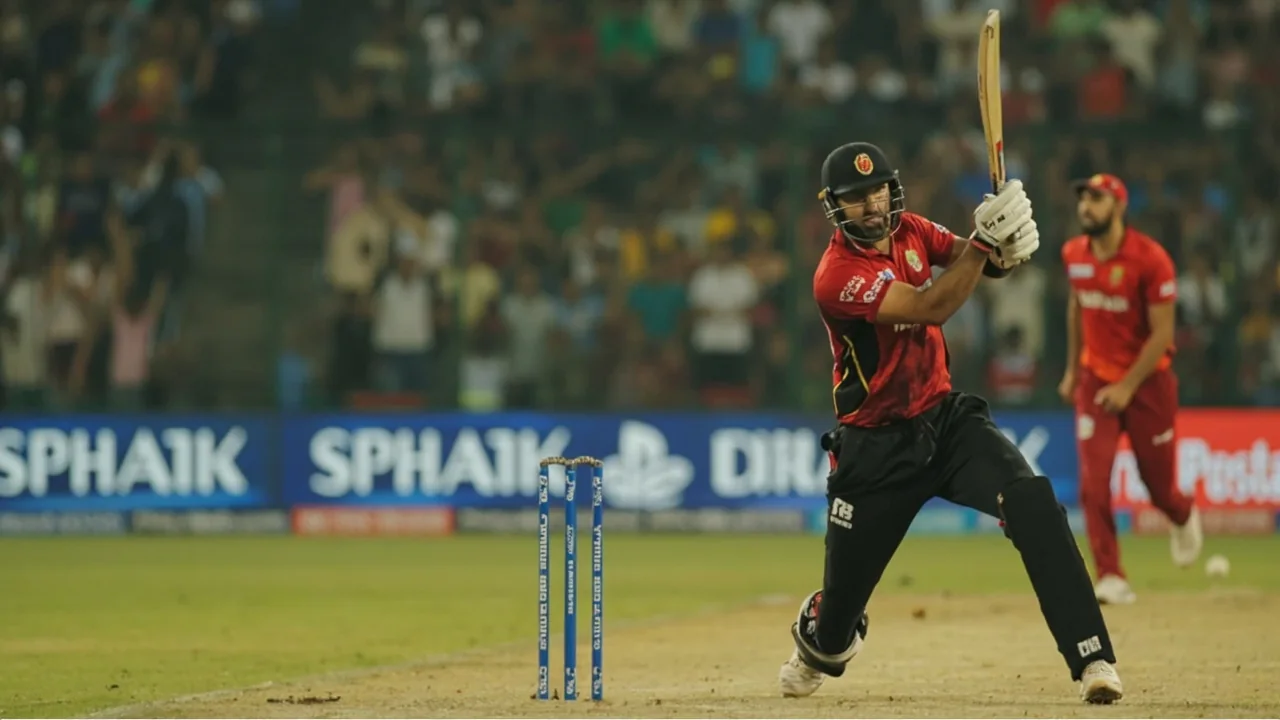
The Hundred's most consistent problem is that the comparison it invites is the one it cannot win. The format is a deliberate alternative to Twenty20, but the audience for alternative formats in 2026 has been trained on a decade of the IPL's relentless product polish. The weekday-evening schedule positions the league as complementary to weekend county cricket, but the visual language, the franchise names and the ownership structure all point at the Indian league.
Mathur is clear that the comparison is not flattering for the English product. The Hundred, in his reading, is a copy that has inherited the surface signs of the IPL without the underlying commercial machine that powers them. The sponsor list is shorter. The atmosphere is quieter. The price point for a matchday is higher relative to the spectacle. The franchise names borrow Indian brand equity. The owners, in many cases, are the same Indian investor groups.
For the IPL, the Hundred is a useful reminder of how hard the league's commercial model is to copy. The Indian product is the product of two decades of league-building, franchise consolidation, broadcast-rights escalation, and a fan base that treats the league as a cultural event rather than a cricket competition. The Hundred sits at the top of a long list of attempted copies - the Caribbean Premier League, the now-defunct Champions League T20, the Mzansi Super League, the Pakistan Super League, the Hundred itself - and the gap between any of them and the IPL is structural rather than cosmetic. The full IPL 2026 schedule, standings and squad rules are tracked on the campaign desk.
The interesting question is whether the Hundred is, over the long run, an asset or a liability for the IPL. On one reading, an English tournament that pulls Indian owners and Indian brand names into a parallel product is a soft extension of the IPL's commercial reach - a place where Mumbai Indians and Sunrisers can develop players in the same way they do in Hyderabad or Wankhede. On another reading, the Hundred is a competitor for the same eyeballs, the same broadcast windows, and the same overseas-player talent pool, on a calendar that does not always overlap cleanly with the IPL's own March-to-May window.
The cleanest test of whether the Hundred's commercial gap with the IPL is closing or widening is the title-sponsor cycle. The Hundred's headline commercial deal is the one that anchors every other inventory conversation - broadcast cut-throughs, boundary signage, team-shirt chest placement - and the next renewal window is the first moment when the ECB's 2026 numbers, including the 6:30 pm weekday average and the Lord's and Oval turnstile counts, are visible to sponsors in a single package. If that deal lands at or above the prior cycle's value with a non-Indian consumer brand, the gap with the IPL narrows. If it gets done at a discount or with another Indian-IPL-adjacent name, the Hindustan Times reading holds.
The second milestone is the 2027 Hundred player-draft window. Most of the Hundred's marquee overseas signings - the Suryakumar Yadavs and the Trent Boultes of the calendar - are contracted through the IPL's own retention cycle, and the Hundred's draft order is, in effect, downstream of what the IPL franchises do at their own auction table. A draft in which the Hundred franchises sign names that were not on the IPL's retention list would be a small but real signal that the league is producing its own commercial gravity. A draft that reads as a clearance sale of players the IPL did not retain would confirm the opposite.
The third is the UK broadcast partner's renewal posture. The Hundred's television deal runs to a defined endpoint, and the next negotiation will be the moment when the production values - the music cues, the in-stadium dressing the Hindustan Times piece says is missing - are either commissioned in earnest or quietly held back. Read together, those three checkpoints are how the comparison with the IPL will be settled in the next twelve months, before any new opinion column has to be written about it.
The 2026 season is structured around 74 league matches across 13 venues. The campaign desk tracks standings, NRR movement, and the impact of cross-conference fixtures on the playoff cut-off.
Wankhede evening fixture. Captain pick: Suryakumar Yadav. Differential: Ravindra Jadeja. Avoid: Trent Boult. Full fantasy XI below.
Read →When the low-ownership pick is the right captaincy call. Three match conditions that justify differential captaincy, and recent case studies from the 2025 season.
Read →